S(h)exualities - Narratives of sexuality from the 1980s to the present
We were a typical Greek family. My father worked long hours, and my mother worked in the public sector. In the morning, my grandmother would clean and cook. At midday, my mother would come home and set the table. My father had the final say in everything.
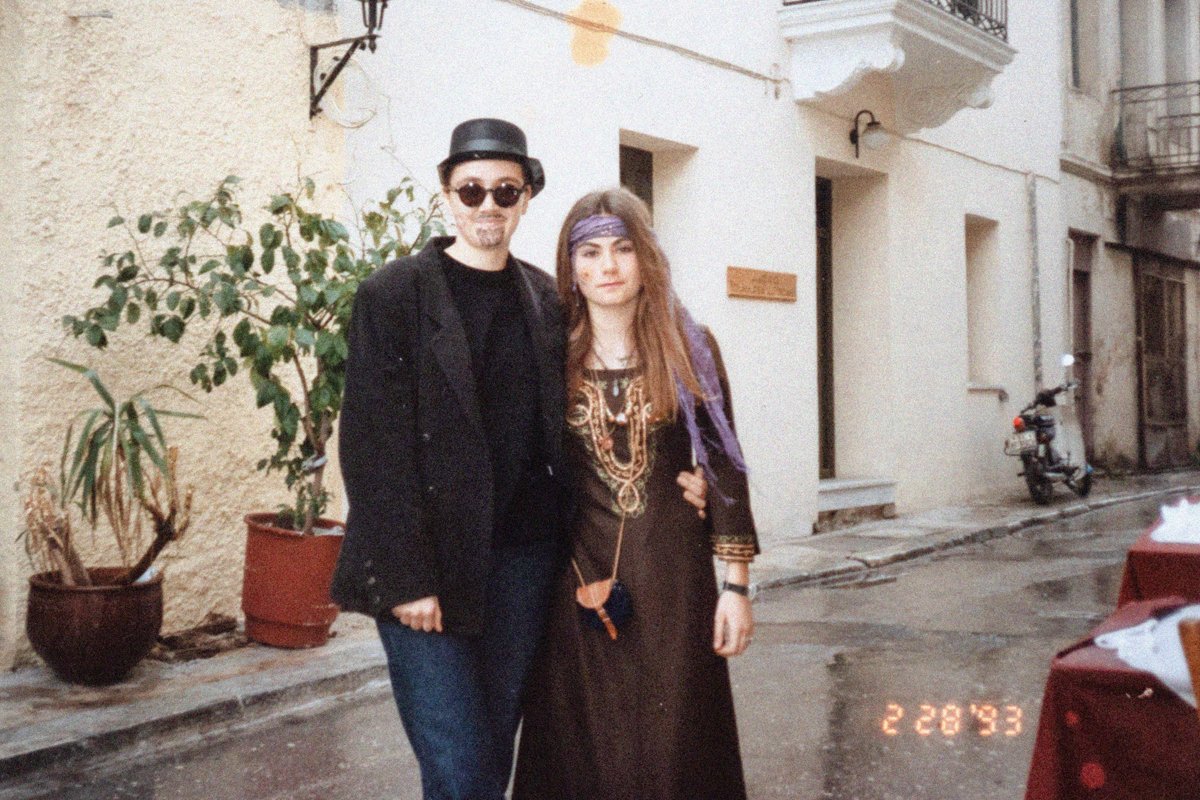
Every Saturday, my mother would clean the house, and my sister and I would help her. One time, I lifted up my parents’ mattress and found some pornographic magazines underneath. I was shocked. To be honest, I didn’t like it at all. I started wearing plain clothes and cutting my hair short; I felt a kind of repulsion. During Carnival, I would even dress as a man. But I didn’t feel any attraction towards women. I liked men. I just didn’t want to be like the stereotype I saw in magazines at all. It completely turned me off.
As a teenager, I used to go to the track,where I met someone. I started dating him. To my bad luck, my father saw us walking down the street holding hands. He stopped us and told me off. After that, he wouldn’t let me go to the track anymore, so I wouldn’t see him again. I remember we used to have huge fights back then. He was worried that I would get pregnant and get married. The whole package, in other words: I wouldn’t finish school or go to university, I would become a seamstress like my mother, that’s what he told me. They dreamed of me becoming something else.
Ever since I was a little girl, I dreamed of being a boy. I felt a lot of pressure, and at some point, I suppressed those feelings. I remember always borrowing my half-brother’s clothes. I spent my childhood being a tomboy. The 1970s were a difficult time. I believe I adapted subconsciously.Why? Because it was easier. The big change came in 1982. I began studying at the polytechnic school and found myself living independently in Athens for the first time. I began to notice social dynamics. While everyone else was looking at boys, I was looking at girls. My first relationship was with a man, and it lasted many years. I didn’t experience the 1980s as a lesbian. I lived them in the closet. I was telling myself that I was just different. A turning point came when I went with my then boyfriend to Eressos, in Lesbos. We stayed at a campsite on the beach where 90% of the people were lesbians. I couldn’t take my eyes off the women’s bodies or the women themselves. I had mixed feelings. On the one hand, I felt guilty because I wasn’t fully convinced about my sexual orientation. On the other hand, I began to realize that this world actually existed.

I have wanted it since the day I was born. But I wasn’t allowed to voice my thoughts. Singers and actresses were considered rampantly promiscuous after all. Once I was of age and had a job, I enrolled in a conservatoire and studied intensively. I had my own money, but I kept that a secret from my mother.
In the late 1970s, life was restricted for girls in rural areas. When I was a teenager, I used to go to the movies with my friends every Saturday. But my brother was supposed to accompany us. (…) When I moved to the city at the age of eighteen and started working, I experienced a newfound sense of freedom. It was a far cry from the conservative society I had left behind, where you couldn’t leave the house and everyone knew where you were and what you were doing at all times. That wasn’t the case in the city. But the following year, my parents moved there too. There I was, stuck with my parents again. (…) Sex in my marriage started off well, but after a while I began to suspect that he might be cheating on me, so my body could not function properly anymore, meaning that I started to experience physical pain during sex. My husband wasn’t very romantic, meaning he wasn’t even trying to put me in the mood. (…) Perhaps at first, when you are in love, you don’t pay attention to these things. Then, as love fades and since you are under pressure from work and children, you do everything faster, on autopilot. I didn’t like that. That’s when I started to feel pain and visited doctors to find out why. When I discussed it with my husband, he said it was my fault. I wondered if he was right, if I had changed as I grew older and my vagina had closed up, which was why I was in pain. That, until I saw a series on Netflix called “Unorthodox”. It was about a Jewish girl who was forced into an arranged marriage in New York. After a year, they had still not consummated the marriage because the girl was in so much pain, until she left home. Then, when she had sex with a man she was in love with, she didn’t feel any pain at all. That’s when I realized that I wasn’t the only one experiencing this, other women did too. (…) I like that young people today are sexually liberated compared to my own experience, or the stories I used to hear from my grandmother and mother about girls marrying men they had met the day before. When my daughter told me she was in a relationship, I was shocked at first, but I soon accepted it, even when her boyfriend came to our house. I accepted everything. (…)
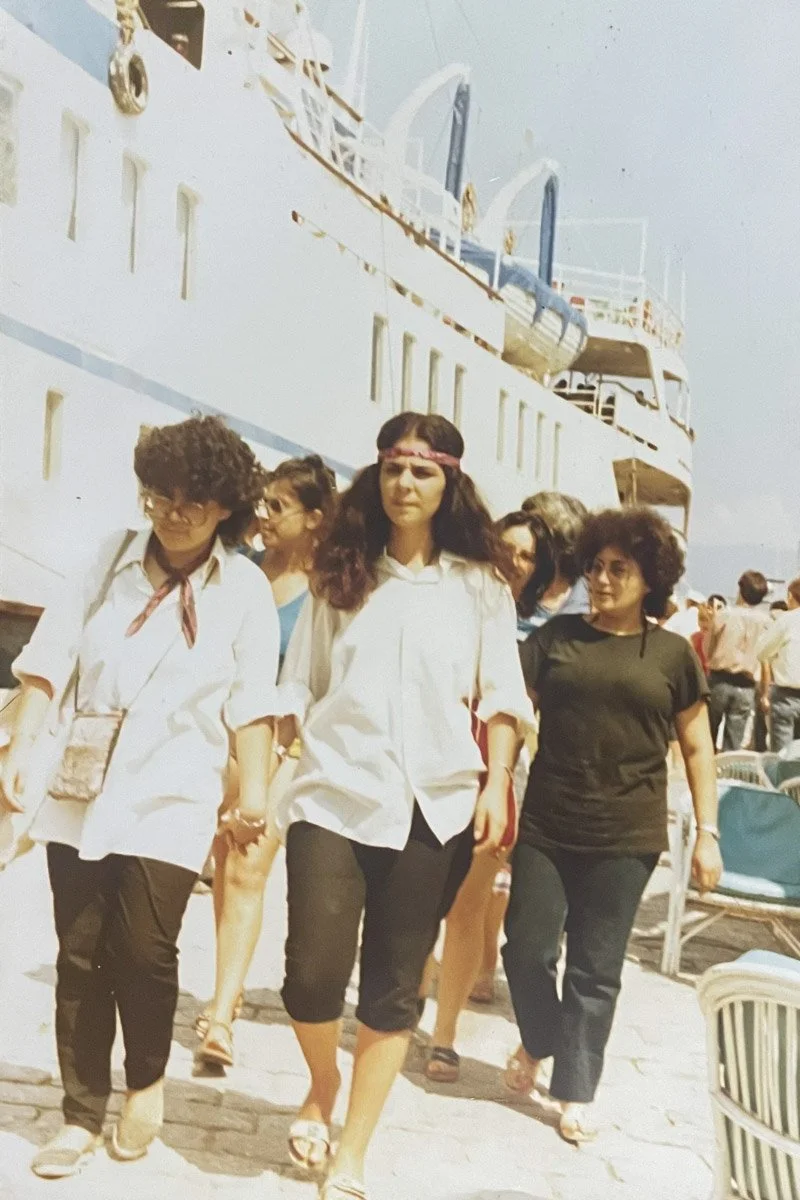
I was born in 1964. I belong to a generation caught in the middle: we are the daughters of our mothers’ generation influenced by their corresponding views on women, and also the mothers of girls living completely different lives. (…) We grew up with our mothers’ beliefs that you’d meet one man and marry him, but in real life, that wasn’t how it worked. For those who went to university, there was complete freedom to meet people and have relationships. That was the new thing. One positive aspect was that the percentage of female students increased. This liberated them to a great extent because they left their homes and conservative families. It was crucial that they moved away.
The expectations placed on women have become overwhelming. She is expected to work and contribute financially to the household while also being both a saint and a sinner. In other words, she is expected to be sexually liberated with her spouse. The birth of children can radically change a couple’s sex life. The constant focus on the children makes us forget that we are women too. It’s hard to have sex at nine or ten o’clock at night after feeding, reading to, and bathing the children. It takes time to switch from one role to another and change your mood. Typically, women are the ones who deal with this – how to step in and out of the role. Men, on the other hand, don’t even bother. (…)
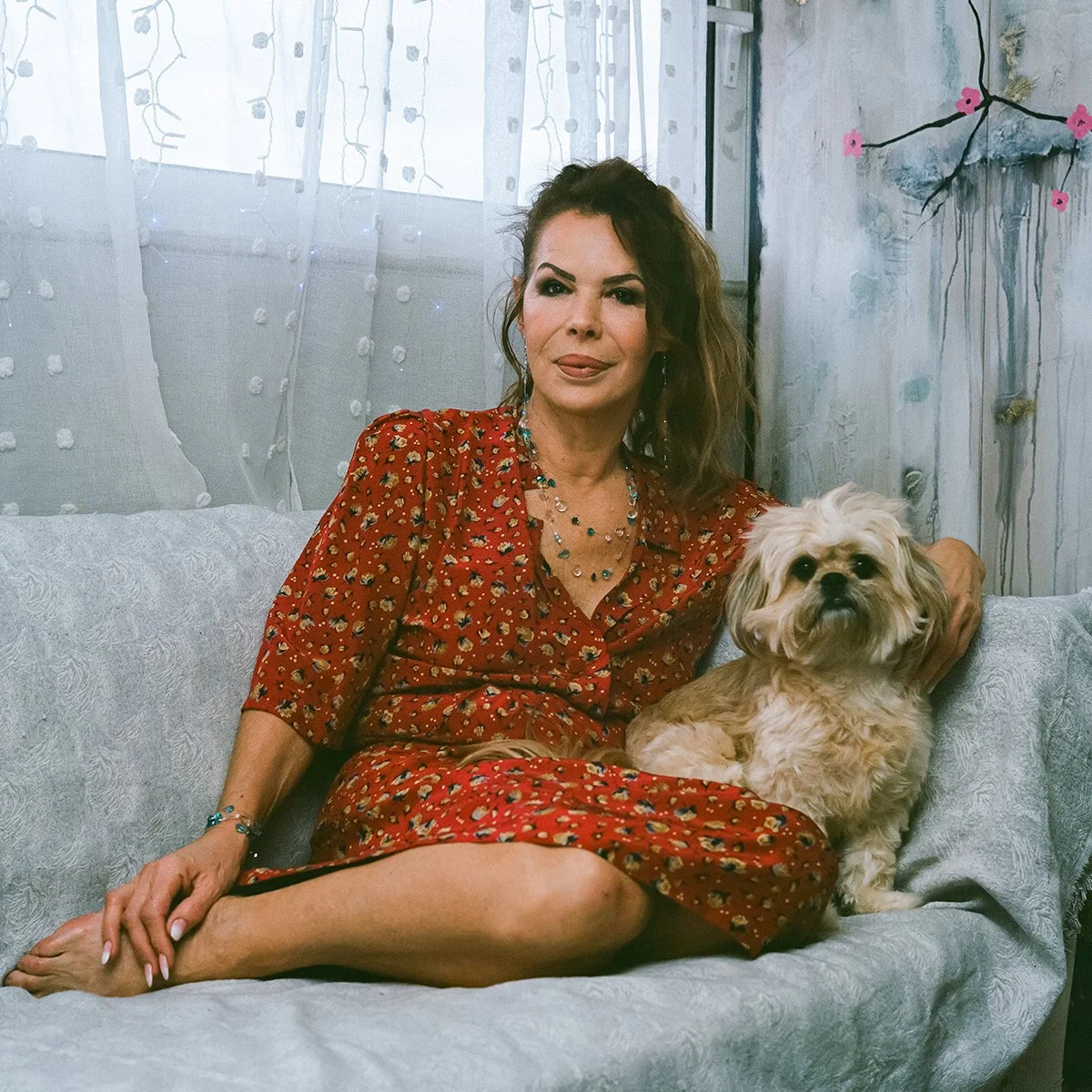
(…) I wanted to separate Anna from the “putana”. I even made it into a rhyme. I played a role to maintain my mental balance; otherwise, it wouldn’t have worked. I didn’t want to be consumed by it, no matter how heavy that sounds. I worked very hard on it, literally spending at least half an hour before opening the door, switching the little red light, to get into the role and another half hour afterwards to get out of it. To take my bath, which I imagined in my mind – poetically and lyrically – as a way to cleanse myself. To become Anna again, and I truly became her. Once I managed that, it became a way of life. (…)
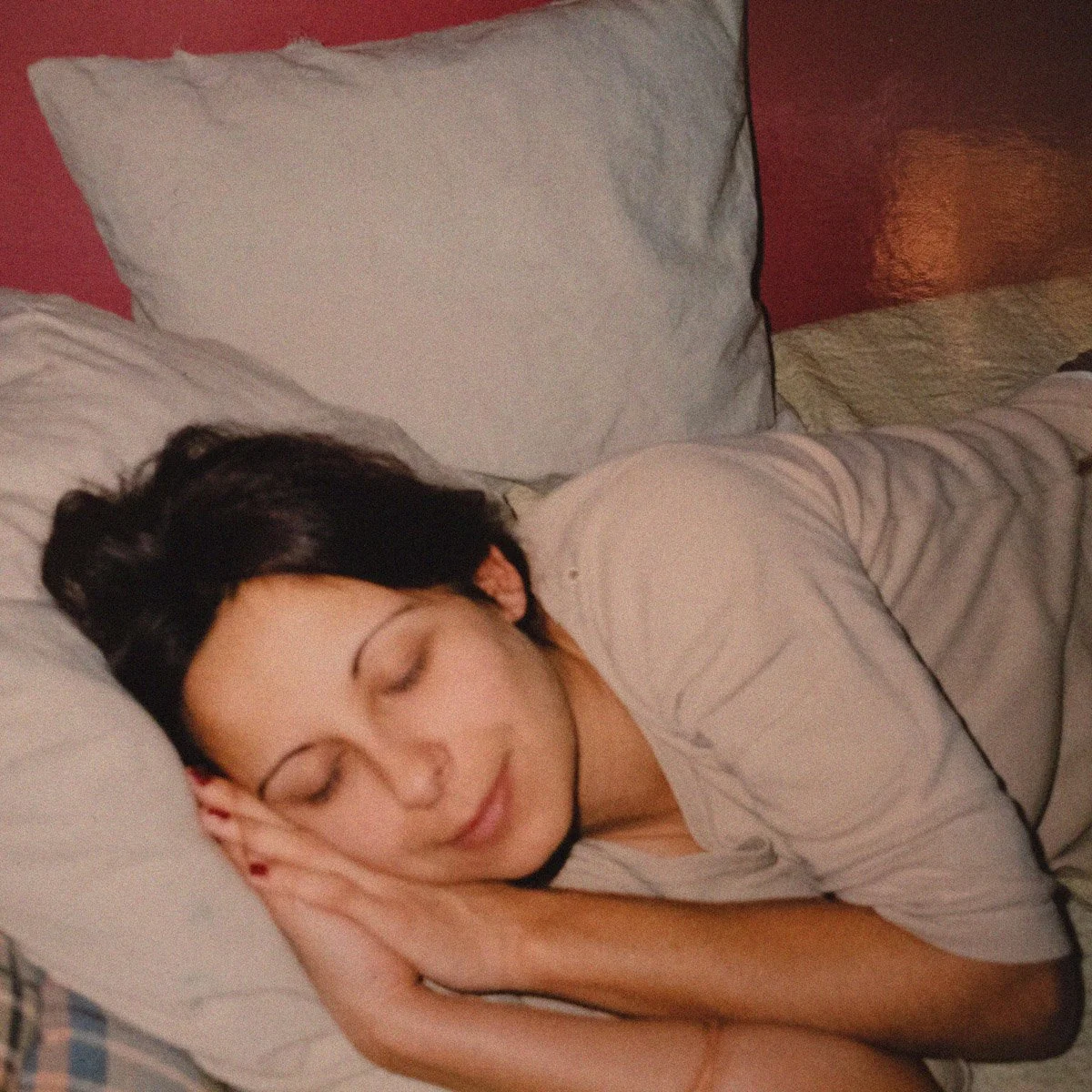
I grew up in the centre of Athens. The city centre felt enormous. My mother would send me to the spice shops, and I would pass through Socratous Street, where sex workers would look for clients in broad daylight. I was about ten to twelve years old; it was the mid-1980s. I remember seeing an older woman with platinum blonde hair standing at the traffic lights, reciting her price list to a client. At that time, I had just started my period and my breasts had suddenly started to grow. This was something new on my body. Various men would approach me in the street and say obscene things; Someone would suddenly appear next to me and say, ‘‘Hey, mama, what tits are those!’’ I suddenly started hunching over and wearing the baggiest clothes I could find. I felt the need to protect myself. Not just me, but my friends too.
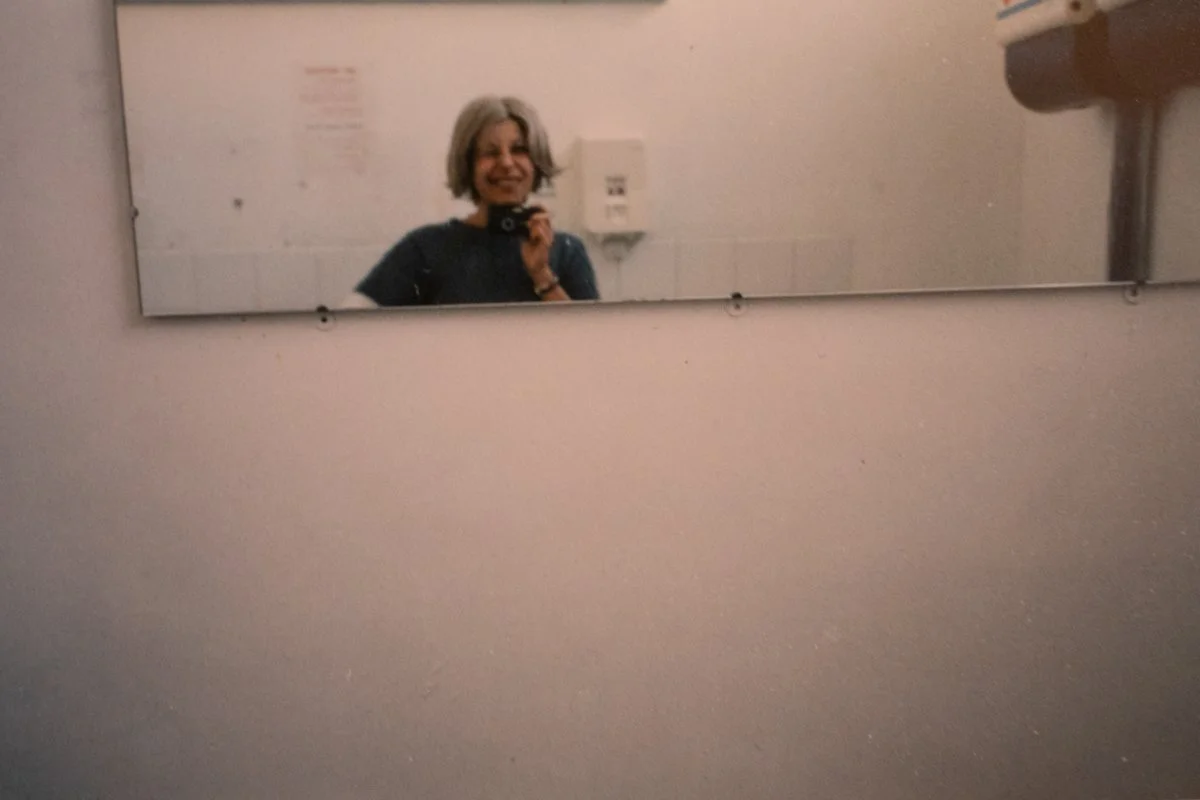
My mother was telling me not to become an object of pleasure. She wanted me to be one of the clever-unattractive people, rather than one of the attractive-dumb ones. That’s the way she saw things. She worked before she got married, but when she did, she quit her job to raise us. We were the next generation of women to be financially independent from our husbands. In other words, we collectively demanded independence. It was the turn of the independent woman, who, however, had to juggle all her roles at once: working woman, mother, wife, and so on, with a man who was neither ready, nor educated, nor willing to share household responsibilities. Perhaps this will change over time.
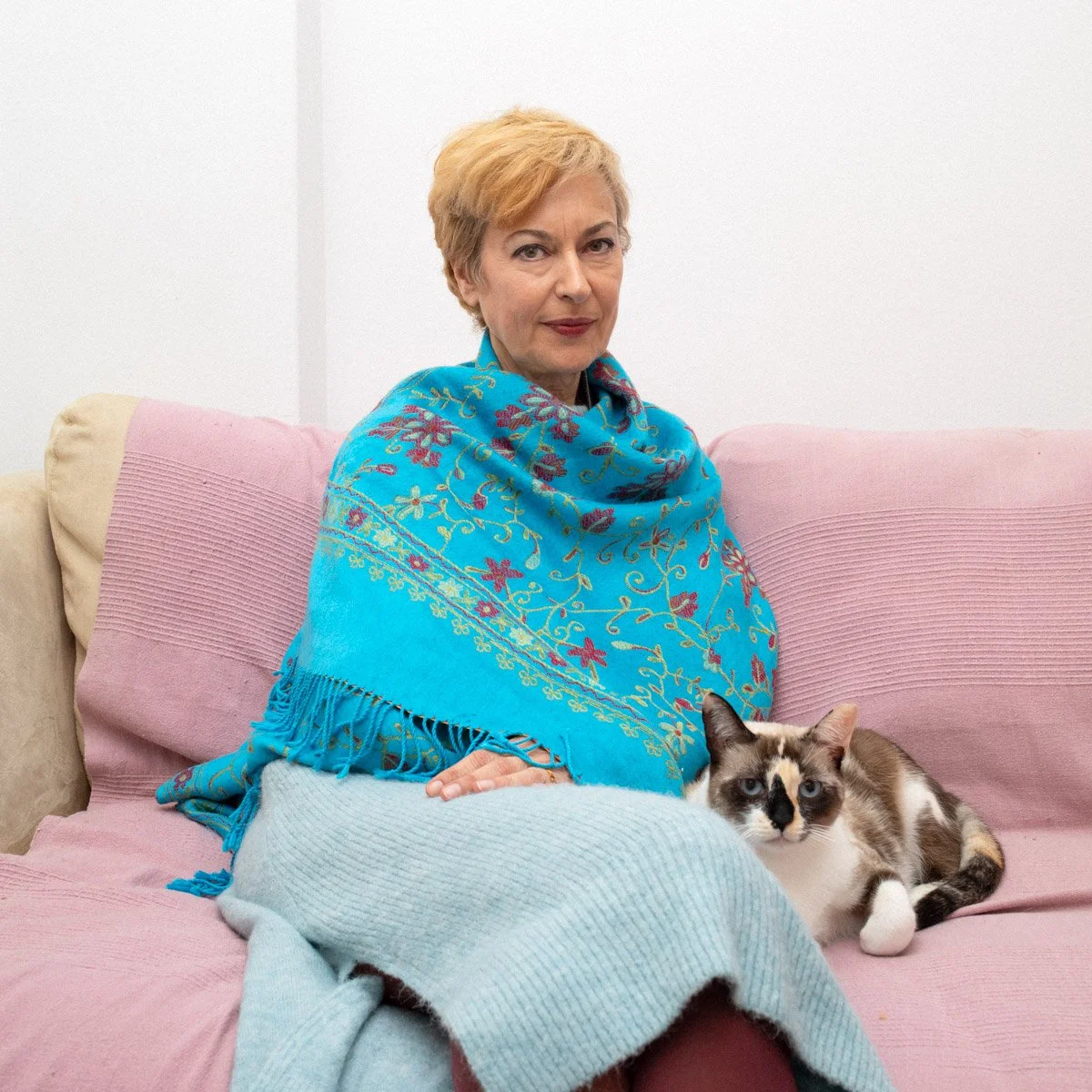
Greece changed in the 1990s. We had yuppies and consumerism. The economic climate shaped the model of relationships outside of marriage. We both live in the same home and contribute fully to the household expenses. If we live together and things go well, there is a chance we will get married. But if they don’t, I will end it. Then women started to become more assertive about their sexuality. They had studied and had a job, either as employees or, in rare cases, running their own business, so they didn’t necessarily have to get married. Women took the lead. You could see female managers, businesswomen, psychologists, artists, etc.
So women started to express their opinions, claim their time and have expectations of men. Having someone to have sex with wasn’t enough for them; they wanted the whole package, which became bigger over time. Men felt pressured by these expectations and the timetable imposed by women. Men would complain in a very degrading and racist way about what they were supposed to do with women who pursued their careers and didn’t care about their homes. “She spends twelve hours at the office and doesn’t satisfy me sexually.” A woman who spends twelve hours at the office is not a relaxed object of desire. Men started saying, ‘‘I’m going to find a Bulgarian woman,’’ referring to the first wave of female immigrants.
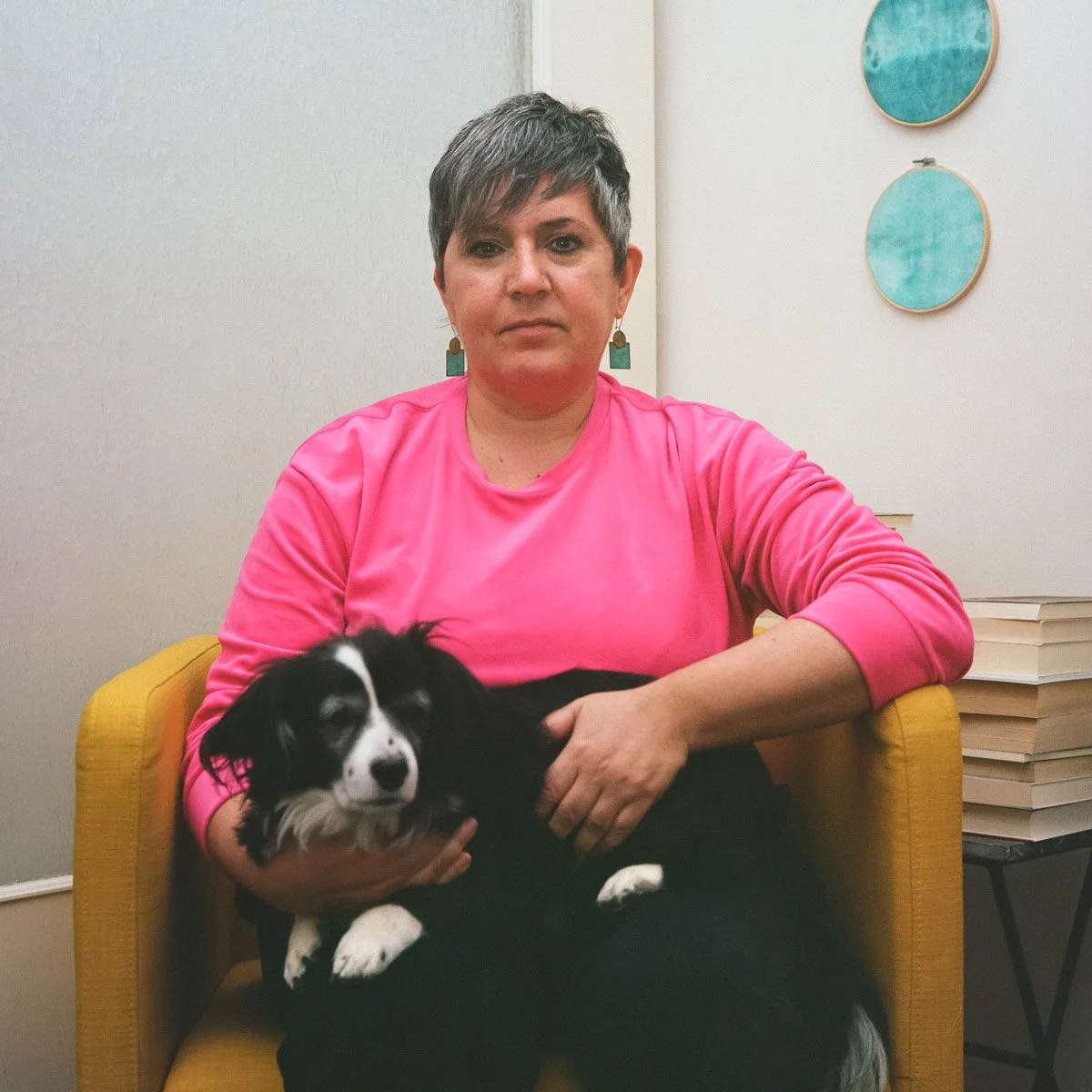
I started university in 1991. I was lucky to live on my own, doing whatever I wanted. I wandered around all day with the mindset that I would meet guys and experience life. I did whatever came into my mind. I took things so far that now, looking back, I think maybe I should have been more reserved. I did reach a point where I burned out. At the time, though, I didn’t feel that my gender was holding me back.
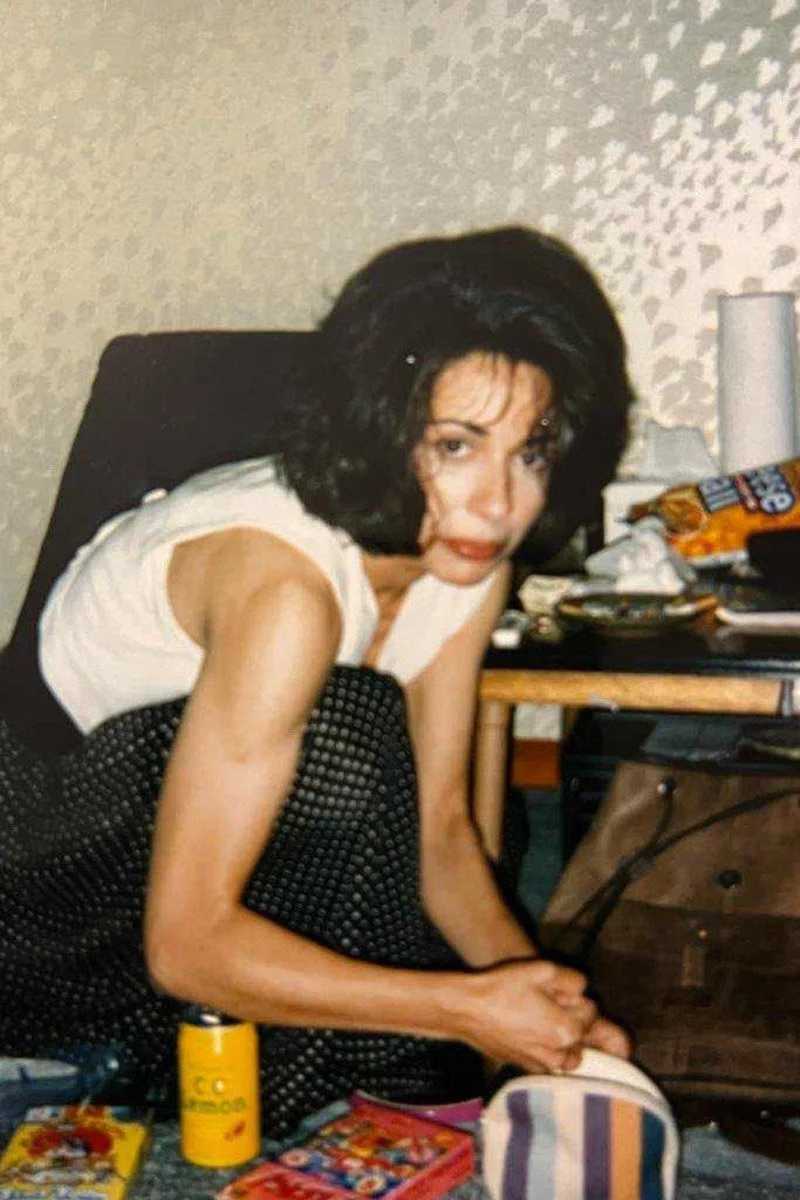
In middle school, boys would either fall on us or grope us. Back then, I wasn’t interested in sex or boys. I started to become aggressive in order to protect myself. As soon as they pestered me, I hit them back. (…) I was working at the Greek National Tourism Organisation in the city centre. My colleagues were extremely vulgar, not only to me but to other women too. It was disgusting. On top of that, I had to take the trolley downtown. Old men would touch me, one after another. So I started fighting back, even on the trolley. I had to defend myself. I was angry and couldn’t relax. I was constantly on edge. I was afraid of them.
In 2004 I went to Mykonos. I decided to let loose a little – I had always felt so repressed. The problem was that I had never felt inferior to men. So I thought, ‘‘I can act as they do.’’ I would sleep with men for a night or two, or even a week. But then I’d get bored and not want to see them again. Suicides, threats and banging on my windows – they couldn’t get over it. I knew men who changed partners like shirts, the dolce vita type, who would show up in the middle of the night, demanding explanations because I wouldn’t speak to them anymore. They hadn’t fallen madly for me. It was their ego. But that was when I felt something was changing. I felt that I had the right and the freedom to be equal to men.
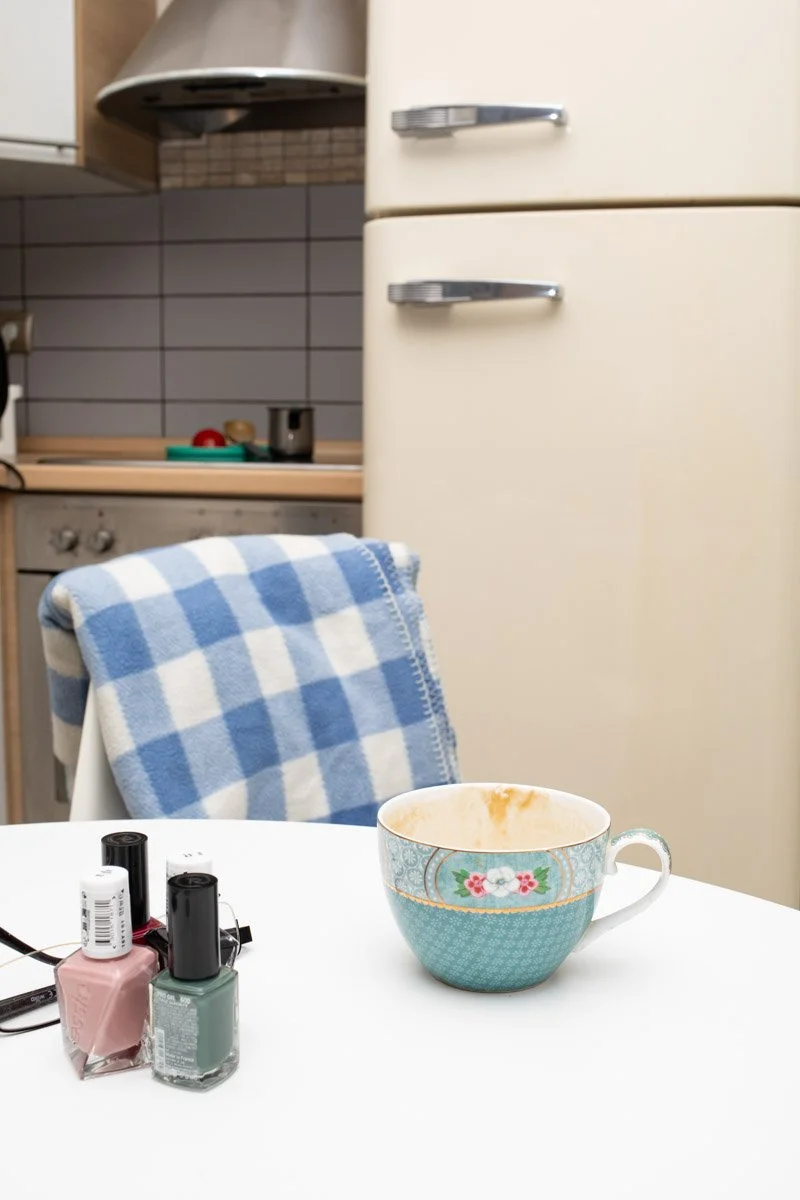
From then on, I started growing up and demystifying sex. Sex is nice, but I was always quite independent. I was interested in other things, too. I had relationships that lasted two or three years until, at some point, I got tired of men. This was because I ended up doing all the work: cooking for them, washing their clothes, doing things together and having sex. No. They were just looking for a comfortable arrangement. So I started getting used to being on my own. At first it was very difficult, but then I discovered how nice it was. I felt calm, I wasn’t aggressive anymore. I didn’t want a partner living with me. I don’t want to wash someone else’s clothes. Sex goes hand in hand with the washing machine.
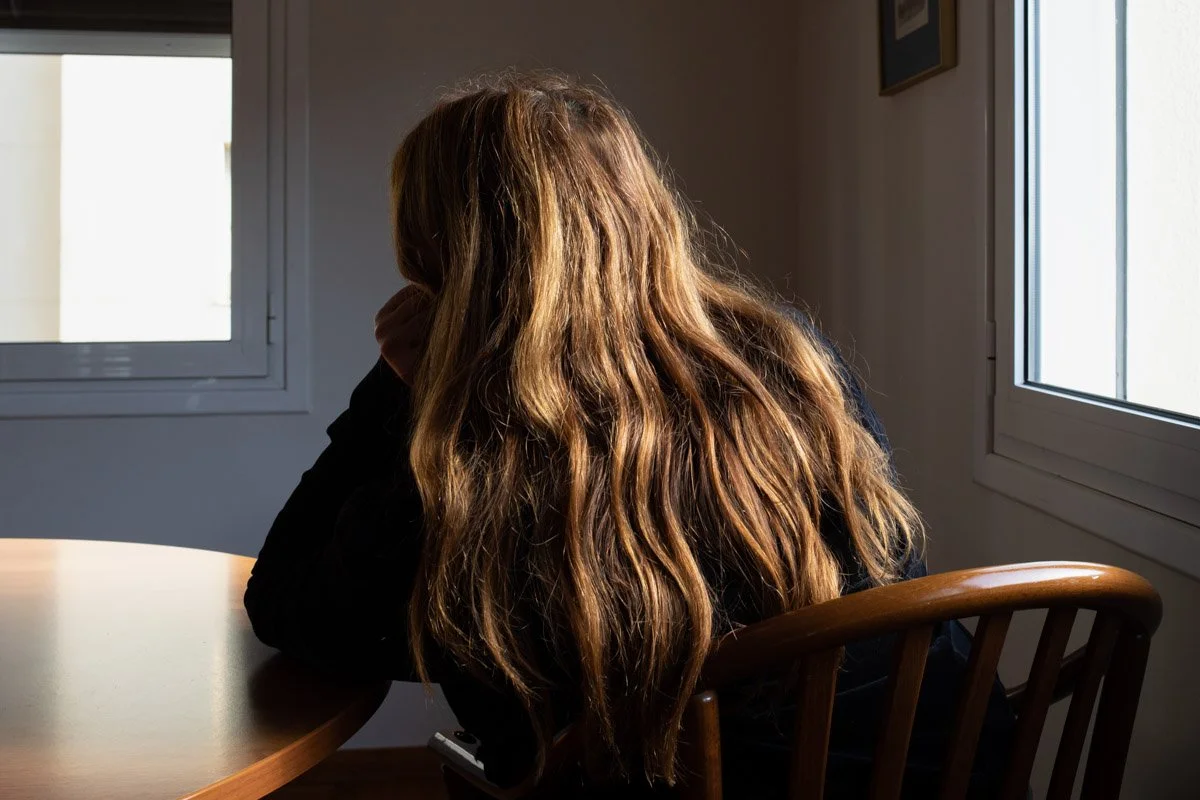
In the late 1980s, I was a college student living outside of Athens. It was difficult to find a place to rent in town. I finally found an apartment and my seventy-five-year-old landlord tried to corner me in it. Although I consider myself assertive, I hesitated at that moment, but, then I told him, ‘‘I’ll tell your wife!’’ He tried it a couple of times in the elevator, too. Then he stopped. I didn’t tell my parents because I was scared and ashamed. Besides, he had met them and promised to look out for me. I did tell my friends, though. They would come over some days so that there would be people in the house. At one point, I worked at a detective agency. As soon as I realized that my boss was ogling me, I quit. He’d come to my house, ring the doorbell, insist, follow me. Again, I had to ask friends to walk me home.
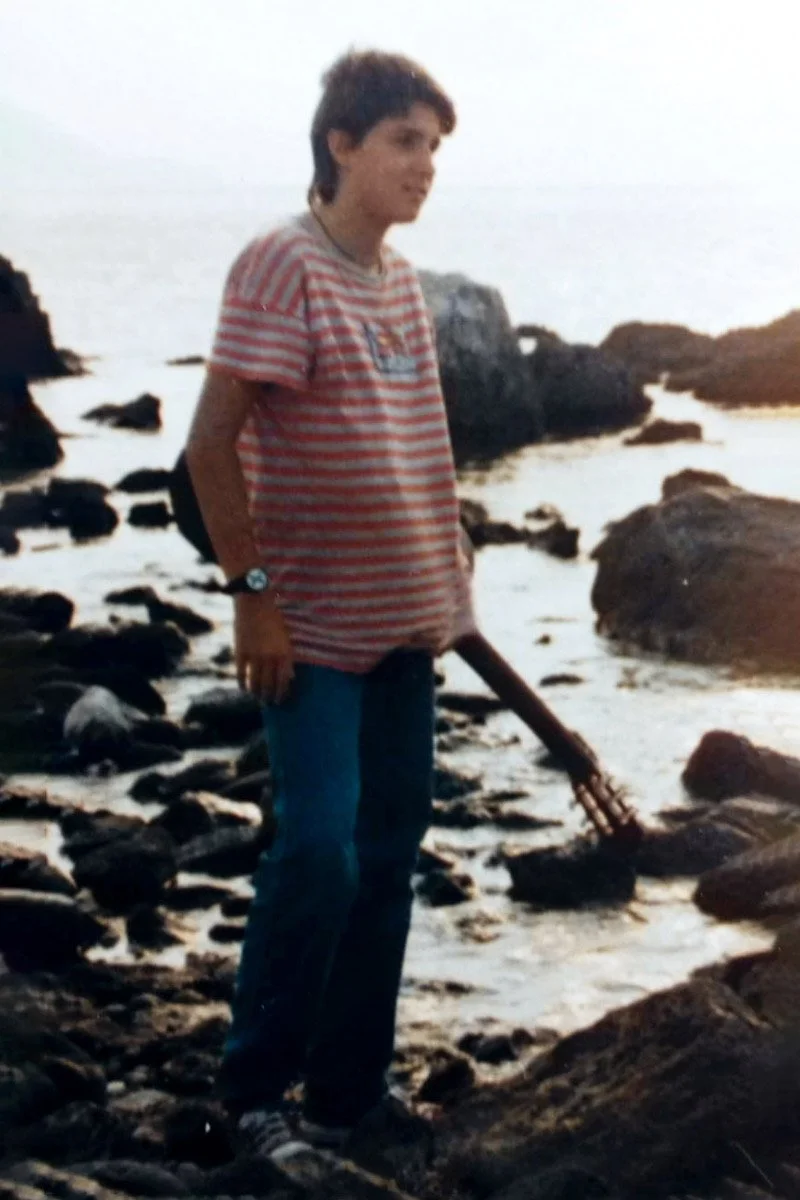
Ever since elementary school, I would hear people say things like, “I like Kostakis” or “I like Mairoula”, and I would wonder “what exactly do I like?”. This made me more introverted, despite being a very outgoing person. As I got older, I kept my hair short and refused to wear dresses. My poor mother tried to buy me more feminine clothes. I would try them on just to please her but I never actually wore them. In middle school, I realized that I liked girls. I’d hang out with my friends, and if I liked a girl, our relationship was completely platonic because I had been taught that relationships like that weren’t allowed. It’s not that my parents had necessarily spoken openly against homosexuals. None of my friends gave me any indication that I wasn’t alone in this. I felt very lonely.
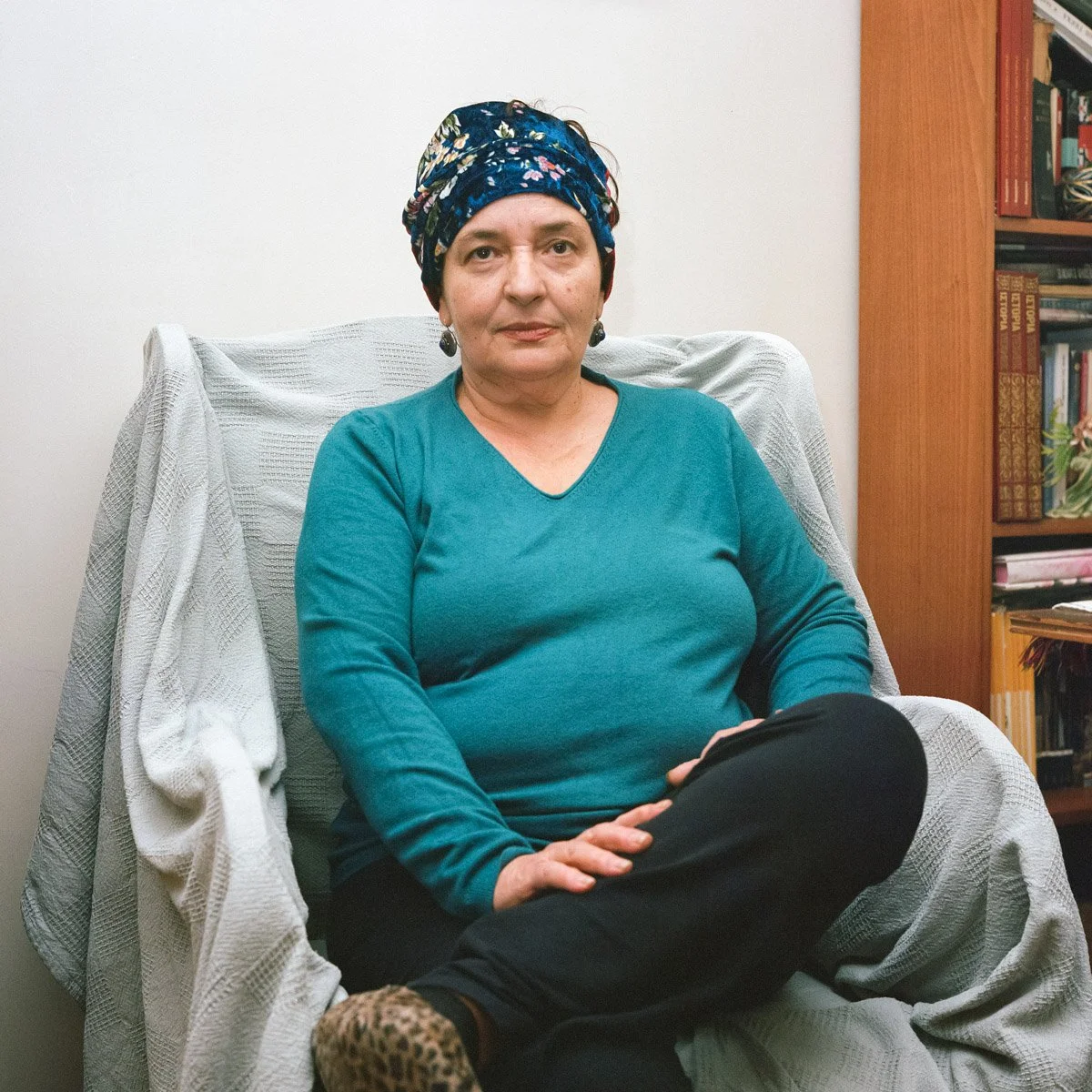
Unfortunately, in my line of work, journalism, people often assume that to get ahead, you have to give something in return. Many times, people made a move on me, assuming I’d give in to get something in return. This in order to get ahead, make more money, or get a better position. (…) I think we’re in a transitional phase. We see empires crumbling, new ones rising, and wars breaking out. All of this affects your relationships, your identity, your goals, and your sexuality. Today’s demands are so great that you might lack the courage or inclination to fight for a relationship and risk its breakdown. On the other hand, very strong relationships can form and withstand everything happening around us. Of course, society’s structure remains extremely patriarchal, and we see this everywhere. If anything has changed, it is women’s attitudes, to some extent. They strive to be more self-aware of their sexuality, desires, and needs. I see this in my daughters and their friends.
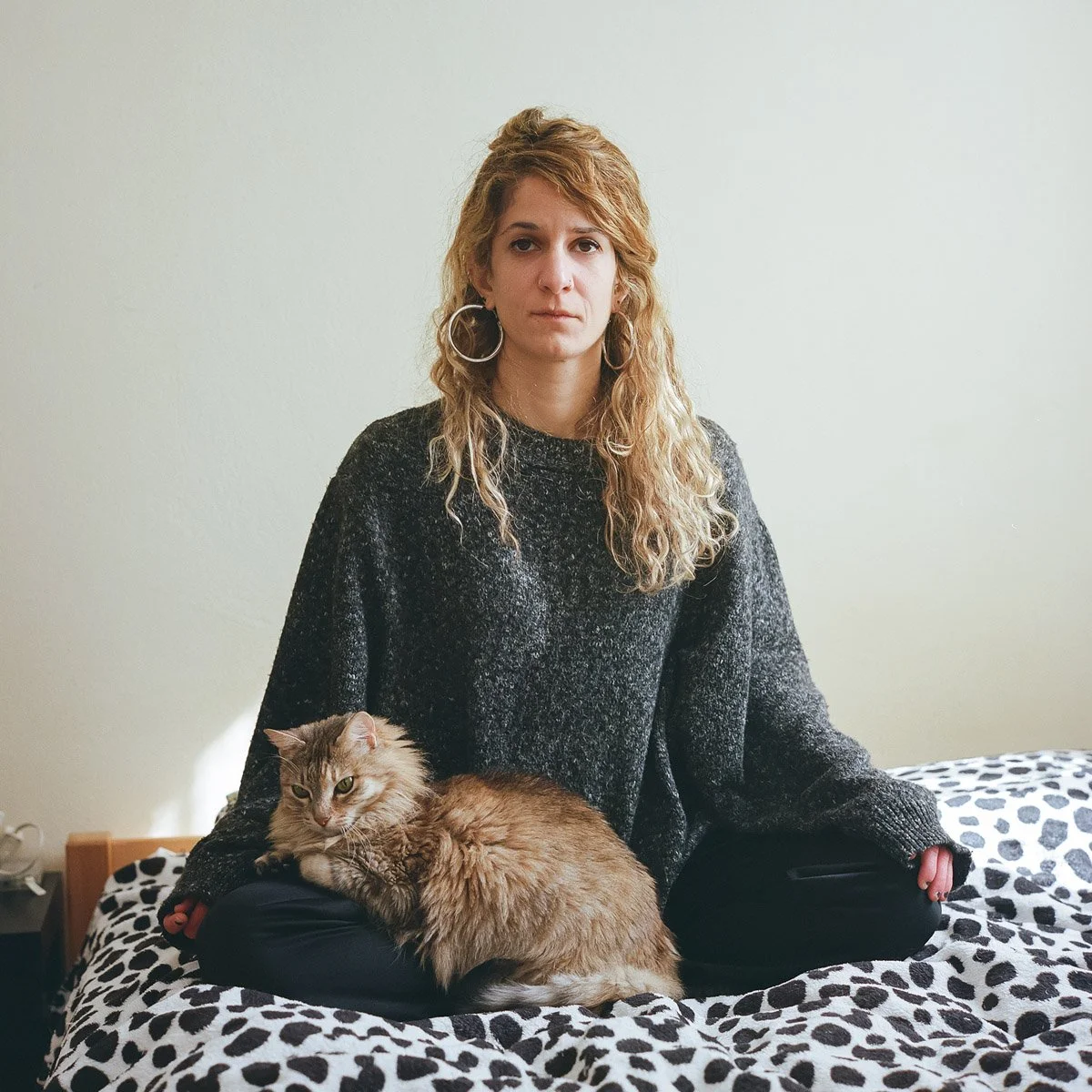
When I was in middle school in the 2000s, I remember wearing braces and having short hair because I had lice. I also had pimples. I was a mess, but things changed for the better in high school. That’s when I started developing a sense of my body, how to improve my appearance, how to style my hair.
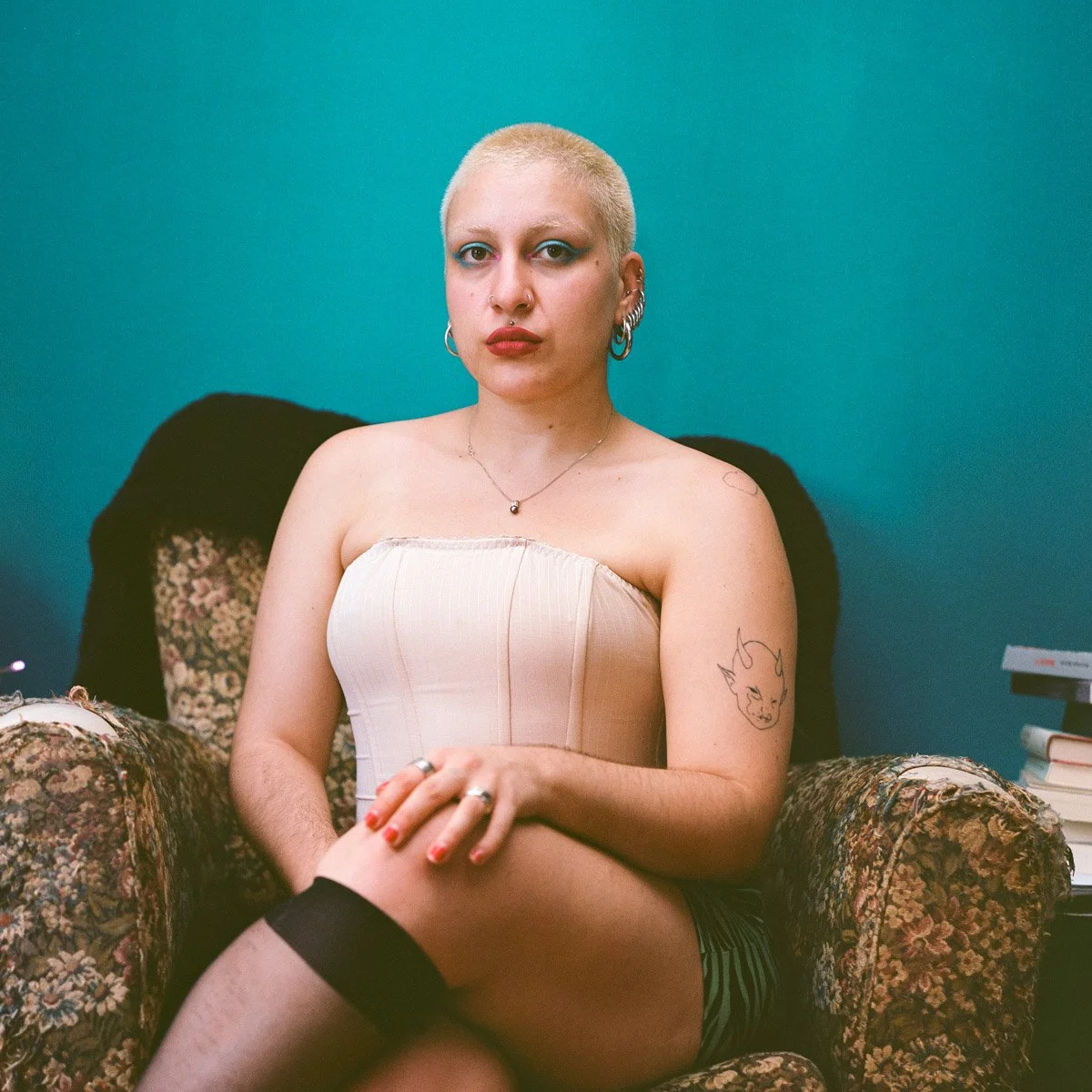
I think that over the years I have become more open-minded about many things related to sexuality. I’m curious and I feel that it is like an open field, like an amusement park. I am always up for a ride. I have never been particularly interested in defining my sexuality. It was mostly the people around me who wanted to define it, cut and sew and put it into boxes. Ultimately, I realized that it’s something you do, not something you are. So why should I suppress it in any way?
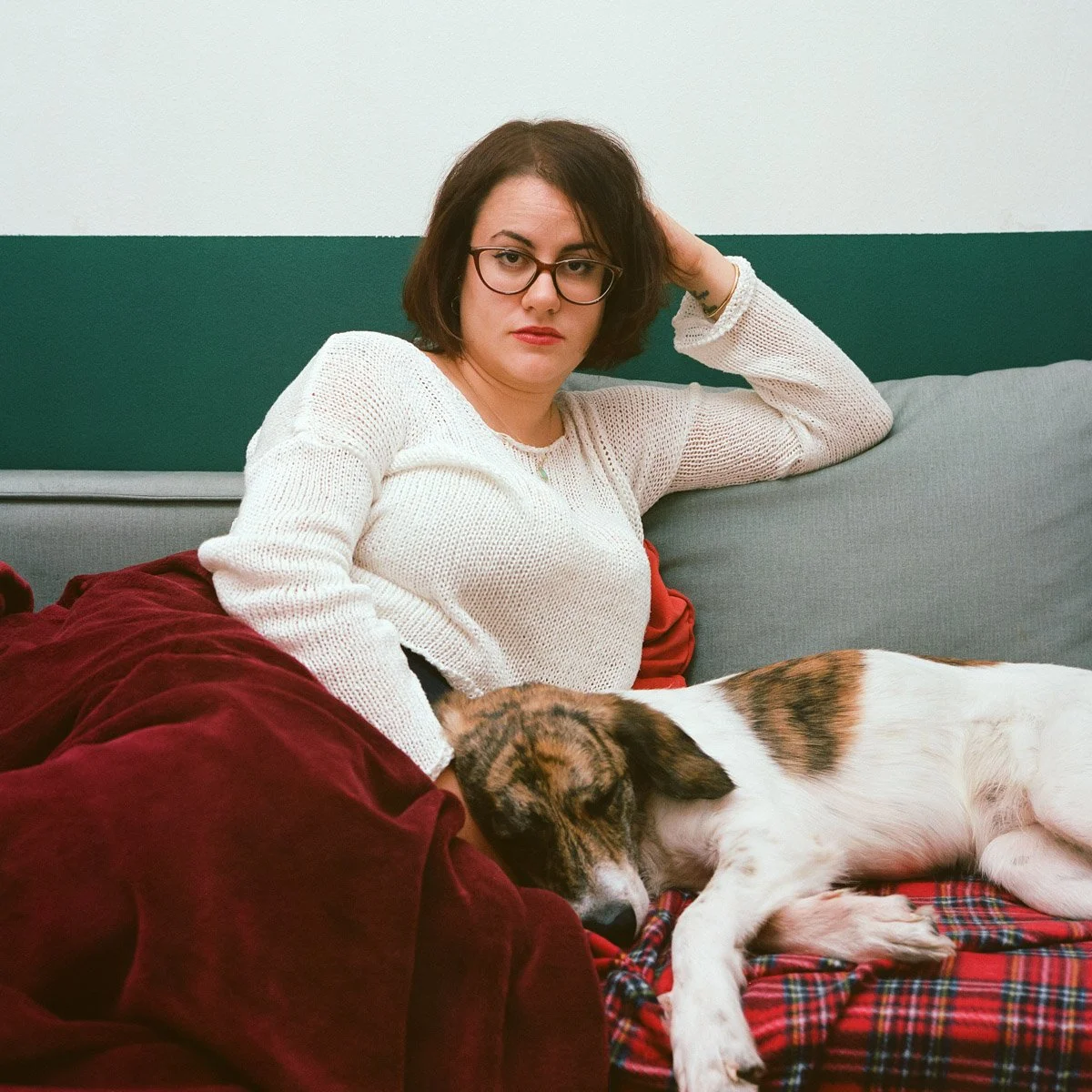
My sexuality changed dramatically when I was twelve. My mom told me that even if I were a lesbian, she would still love me. The very next day, I started to feel attracted to girls, too. (…)
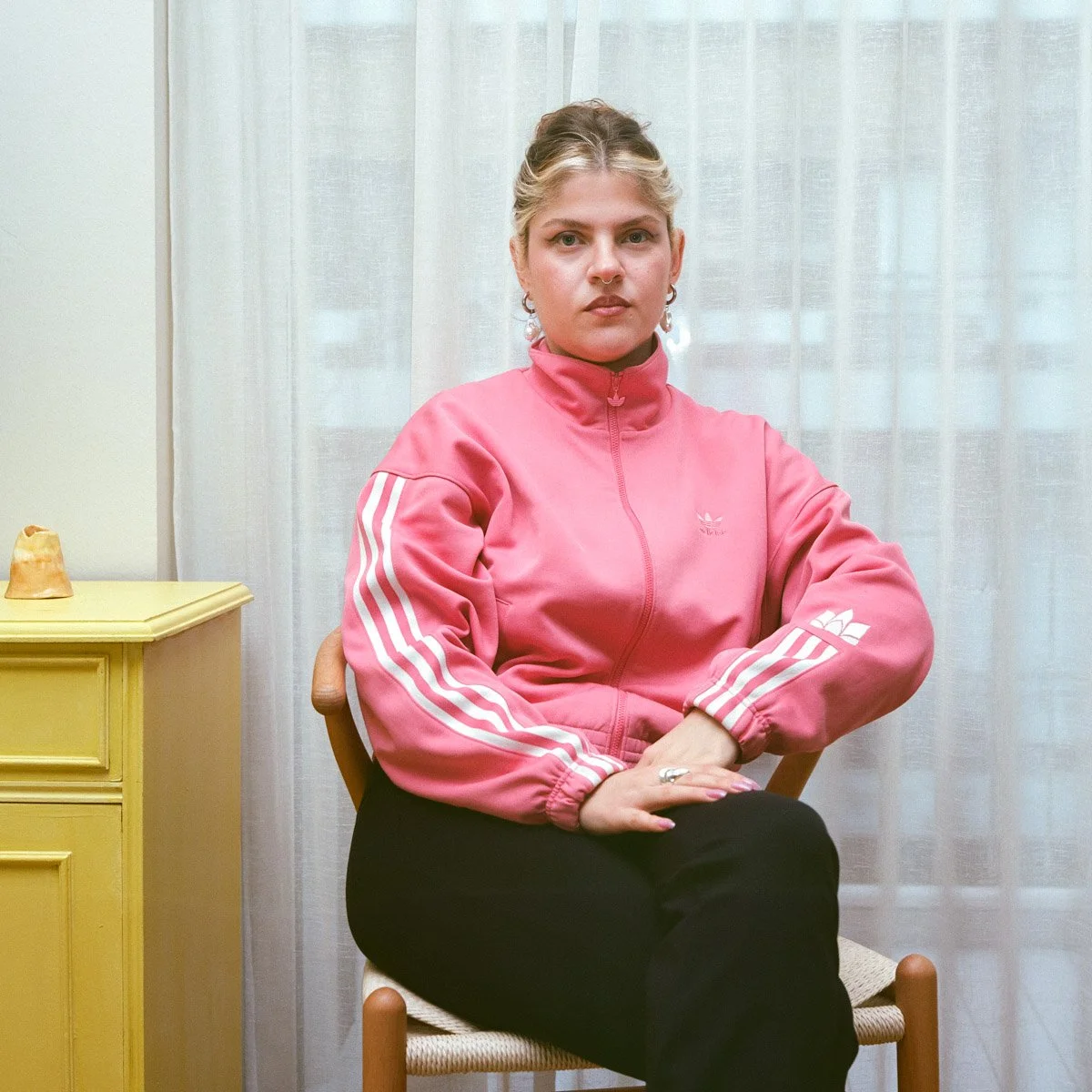
I became involved in politics in 2010. As feminists, we examined our sexuality and desire; however, deconstructing these concepts proved to be a brutal process. For instance, we had to justify using political arguments our attraction to masculinity. However, the truth is that instincts emerge during sex that only make sense within the context of sex. The work of introspection was also directed at men, however. They were expected to “discover” their vulnerability and talk about their feelings. Women were also expected to be tougher and enjoy the same freedoms as men. There was a tendency to believe that the best thing we could do was to emulate men sexually, without, however, evaluating what men were doing. This is why I argue that only half of the necessary political work has been done.
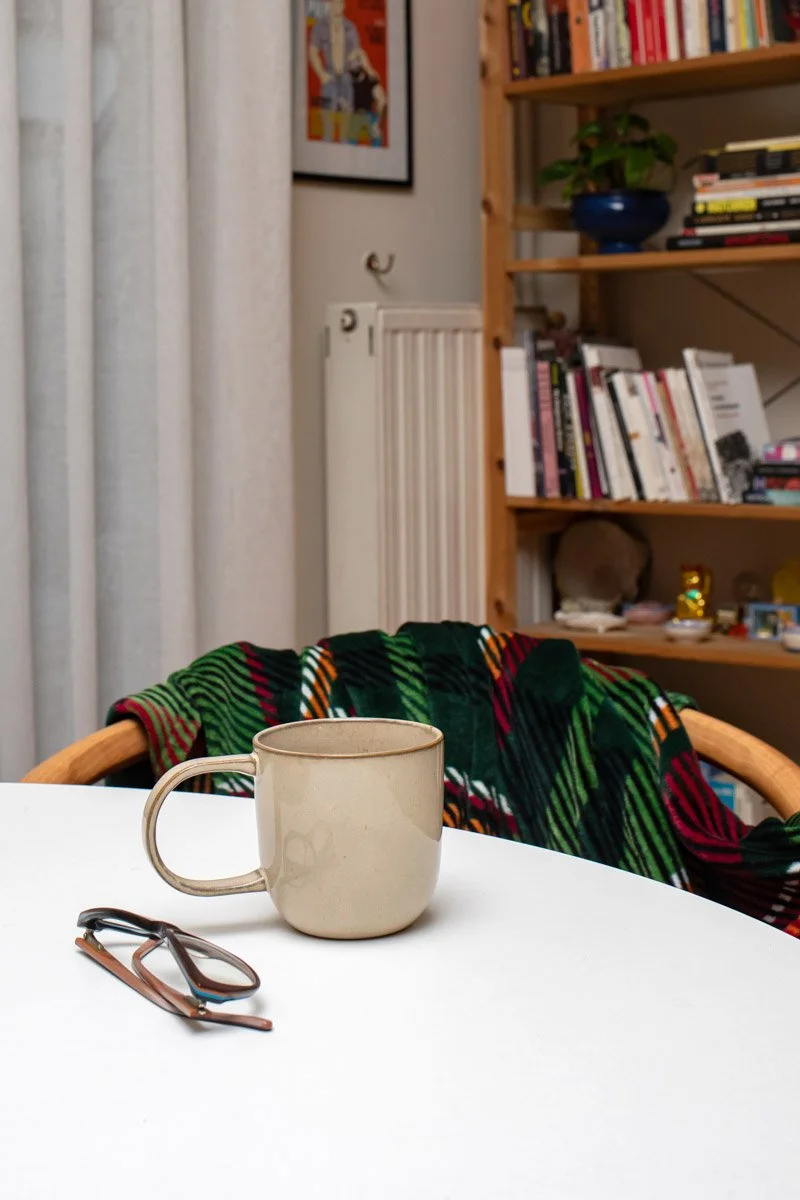
(…) There’s a narrative about Albanian women – and also second- and third-generation Albanian men – that they’re horny and have better sex. As part of the broader belittling of the Albanian identity, I have also been hypersexualised because I’m Albanian. I’ve realised this, and it’s even been said to me. You’re considered a “slatina”. All this stuff is directed at the working class – that they’re hornier.
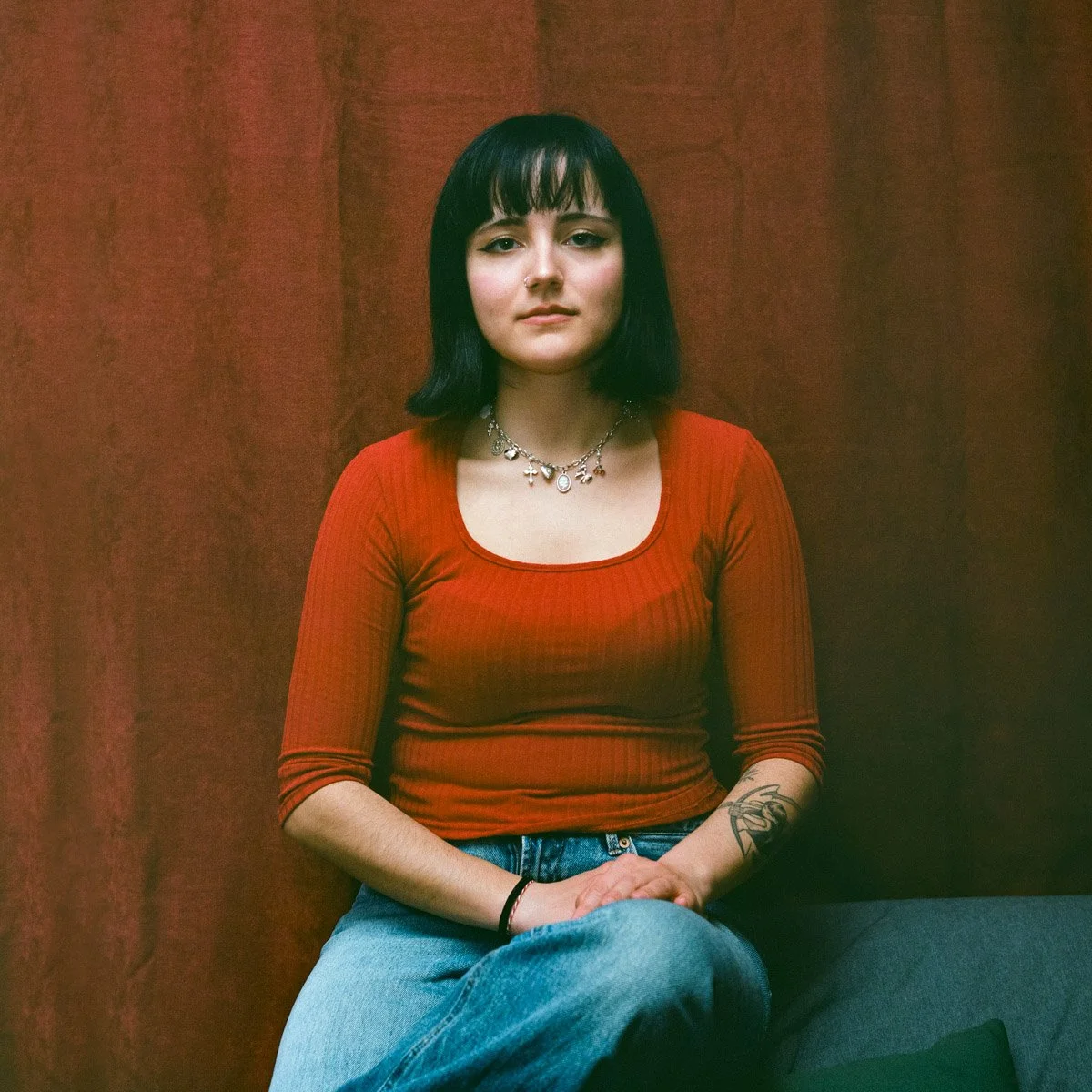
When I was twenty, I worked in a café. Back then, I was blonde and I wore make-up. Because I was more alternative, at least in appearance, a coworker thought I was dating a hundred guys. Many people have told me that my image doesn’t match who I am. Especially when you’re involved in art, people might assume that you like to experiment sexually. Also, showing some skin might suggest to some people that you’re doing it solely to sexualize yourself. But I might wear a skirt, put my hair in pigtails and wear makeup simply because I like it! However, the others have already formed an image of me – they’re sexualizing me.